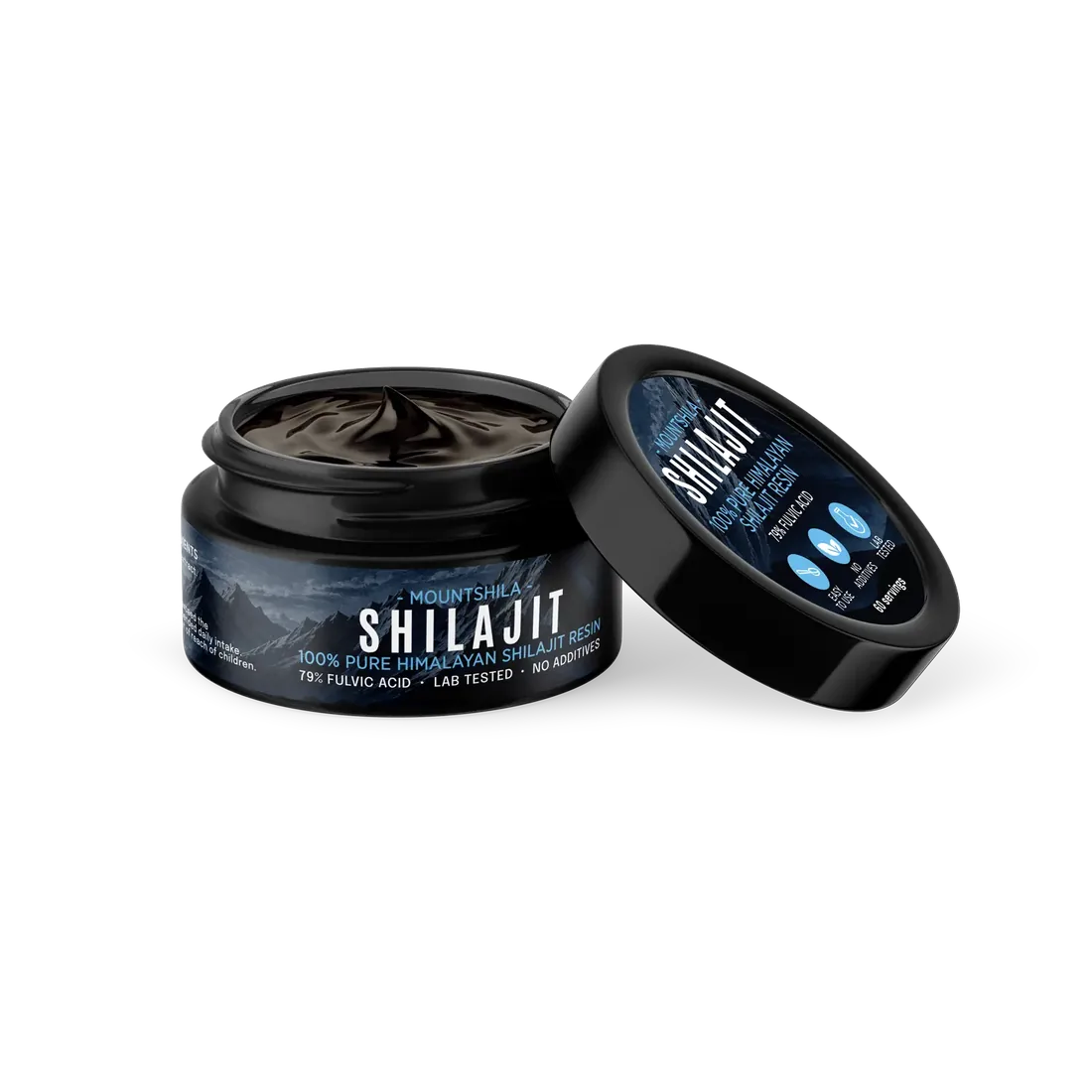


Shilajit is one of the easiest supplement categories to get badly wrong, because the raw material is genuinely variable and testing is optional in most markets. Here is what actually separates a brand worth buying from one worth avoiding.
The single most important check: third-party lab results
Ask one question before anything else: can this brand show you an independent laboratory Certificate of Analysis for the specific batch you would receive, testing for both purity (heavy metals) and potency (fulvic acid content)? If the answer is no, or the "testing" is an in-house claim with no lab name attached, that is disqualifying on its own. We explain exactly how to read one on our Certificate of Analysis guide, and MountShila's own Eurofins result is published there as a worked example, not just claimed in marketing copy.
Red flags to watch for
- No lab report available on request. Photos of "our testing facility" are not a substitute for a document with a lab name, date and specific results.
- Vague potency claims without a number. "High fulvic acid content" with no percentage, or a percentage with no source, is a marketing phrase, not a specification.
- Price that looks too low for a genuinely purified, tested resin. Purification and testing cost money; if a listing undercuts the category by a wide margin, ask what got skipped. See our full price guide for what a fair price actually looks like.
- Origin claims used as a substitute for testing. "Pure Himalayan shilajit" on the label means nothing about contamination or potency by itself - see our page on whether origin actually matters.
- Home authenticity tests presented as proof. The dissolve-in-water or flame test are unreliable and do not detect heavy metal contamination at all - covered in depth on our real vs. fake shilajit page.
- Health claims that go beyond what evidence supports. Confident claims about curing conditions, dramatic before-and-after promises, or "clinically proven" language without a citable trial are a sign the brand is prioritizing conversion over accuracy. See our own evidence-graded benefits page for a sense of how conservative the honest claims actually are.
What actually matters, in order
- An independent, current, batch-specific lab report covering heavy metals and fulvic acid content.
- A specific, checkable fulvic acid percentage, not a vague "high potency" claim.
- Clear, honest labeling of the recommended serving and ingredient list, with no proprietary blends hiding actual amounts.
- Reasonable pricing that reflects real testing and purification cost, not the cheapest option in the category.
- Origin and traditional-use framing as supporting context, not as a substitute for the first three points.
The checklist we hold ourselves to
We built our own testing and transparency around this exact checklist, not the other way around. If you use this list on any brand, including ours, and ask the same questions, that is the right way to shop this category.
Sources and further reading:
- See also: Shilajit Certificate of Analysis: how to read one
- See also: How to tell real shilajit from fake