

Shilajit is sold as "Himalayan," "Altai," "Siberian" and a handful of other geographic labels, often with the implication that one origin is simply better than the others. Here is an honest look at what origin actually tells you, and what it does not.
Where shilajit actually forms
Shilajit is not unique to one mountain range. It forms wherever the right geological conditions exist: layers of plant and microbial matter compressed under rock over very long timescales, slowly exuding through cracks in high-altitude terrain. This happens in the Himalayas (India, Nepal, Bhutan), the Altai mountains (Russia, Mongolia, Kazakhstan), and to a lesser extent a few other high-altitude regions. "Himalayan" and "Altai" describe geography, not a different substance.
Does origin actually affect composition
The exact mineral and fulvic-acid content of raw shilajit does vary somewhat by the local rock and plant matter it forms from, which differs between regions - this part is genuinely true. What is not established is a reliable, general claim that one entire region consistently outperforms another once you account for purification and processing. Two jars labeled "Himalayan" from different suppliers can vary from each other more than a well-purified Himalayan resin varies from a well-purified Altai one. Origin alone is a weaker predictor of quality than most marketing implies.
What actually matters more than origin
Purification and independent testing are the parts of the process that reliably determine what ends up in the jar - not the region on the label. Raw shilajit collected at high altitude can carry heavy metal contamination regardless of which mountain range it came from, addressed through proper purification and verified through third-party lab testing, not by origin claims alone. See our full explanation on shilajit and heavy metals and how to check a Certificate of Analysis.
Where MountShila's shilajit comes from
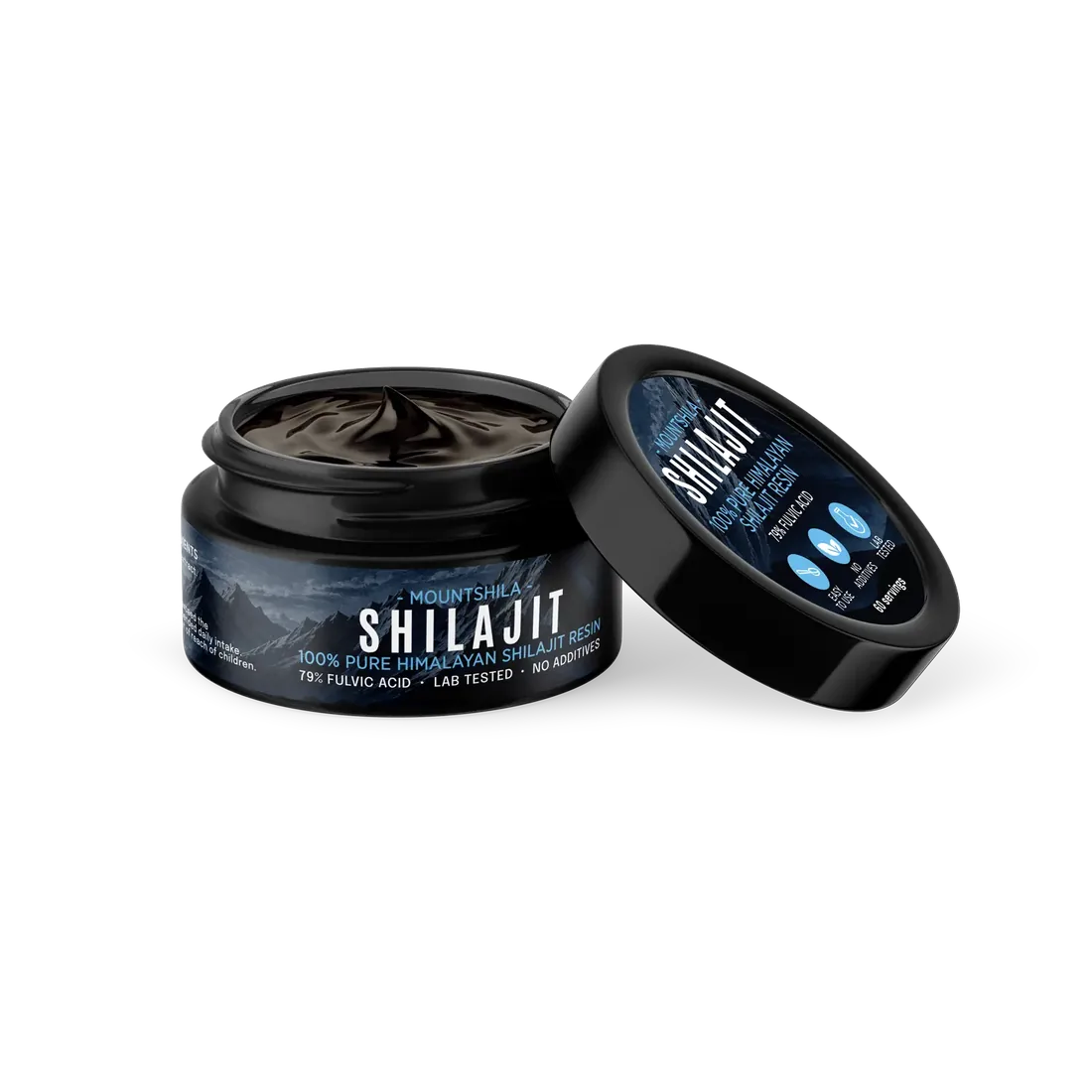
MountShila's resin is sourced from the Himalayas, and independently tested (Eurofins) for both purity and fulvic acid content, detailed on our Certificate of Analysis page. We mention the Himalayan origin because it is accurate, not because we think geography alone is what makes it trustworthy. The testing is what makes it trustworthy.
Ask for the lab report, not the map
If a listing's main selling point is its geographic origin with no test results to back it up, that is a marketing claim, not a quality guarantee. Ask for the lab report before you ask where the mountain is. See our full guide on telling real shilajit from fake for what actually verifies authenticity.
Sources and further reading: