

Shilajit prices vary widely, from suspiciously cheap raw resin sold by weight to tested, purified products at a real premium. Here is what actually drives that price difference, so "expensive" or "cheap" means something more useful than a gut feeling.
What you are actually paying for
Three things drive the cost of a genuinely purified, tested shilajit product: the purification process itself (removing raw impurities from the collected resin), independent laboratory testing (heavy metals and fulvic acid content, per batch), and the actual concentration of the resin, since a heavily processed, high-potency resin yields less finished product per unit of raw material than a barely processed one. None of that is free, and all of it is invisible on the label unless the brand publishes the results, which is exactly what we cover on our Certificate of Analysis guide.
Why "cheap shilajit" is a genuine warning sign
Raw, unpurified shilajit is genuinely inexpensive to source. A price far below the category norm for a product claiming to be purified and tested usually means one of those steps was skipped, not that you found an efficient supplier. See our full breakdown of the actual contamination risk this creates on our heavy metals page.
MountShila's pricing, transparently
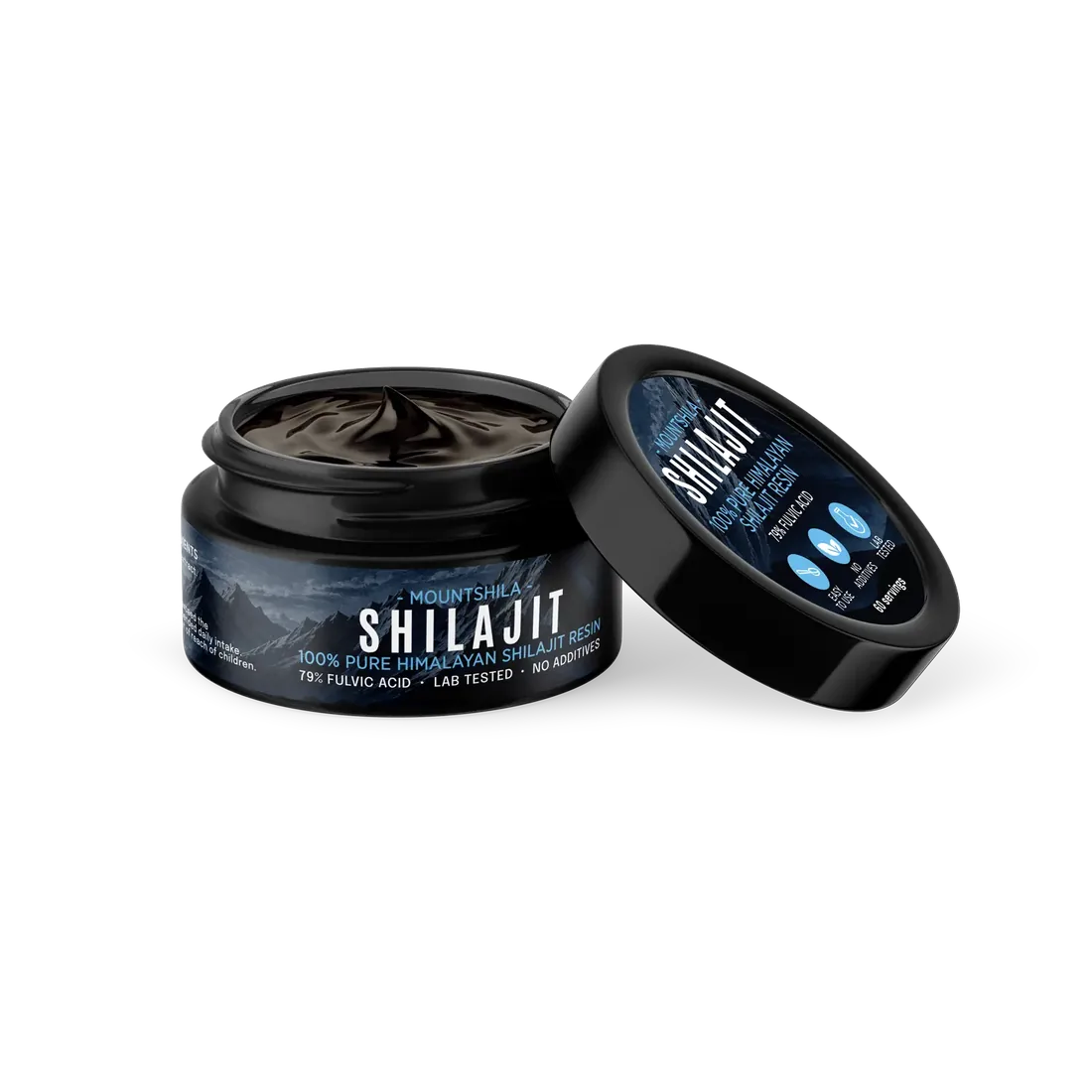
Our 30 g jar is priced at €27.95, tested by Eurofins for both purity and fulvic acid content on every batch, with results published rather than just claimed. We would rather explain exactly what that price reflects than compete purely on being the cheapest option in the category.
How to compare prices sensibly
Compare price per gram of the same claimed potency and purification level, not raw sticker price. A cheaper product with no lab data and an unspecified fulvic acid percentage is not actually a better deal; it is an unverifiable one. If two products both publish current, batch-specific lab results with a comparable fulvic acid percentage, price per gram becomes a fair comparison. Until then, it is not comparing like for like.
Price is not the signal to trust
Price alone tells you very little about shilajit quality in either direction. A high price does not guarantee purity, and a low price is a real reason to check for a lab report before buying. Our full brand-selection checklist is on the how to choose a shilajit brand page.
Sources and further reading: